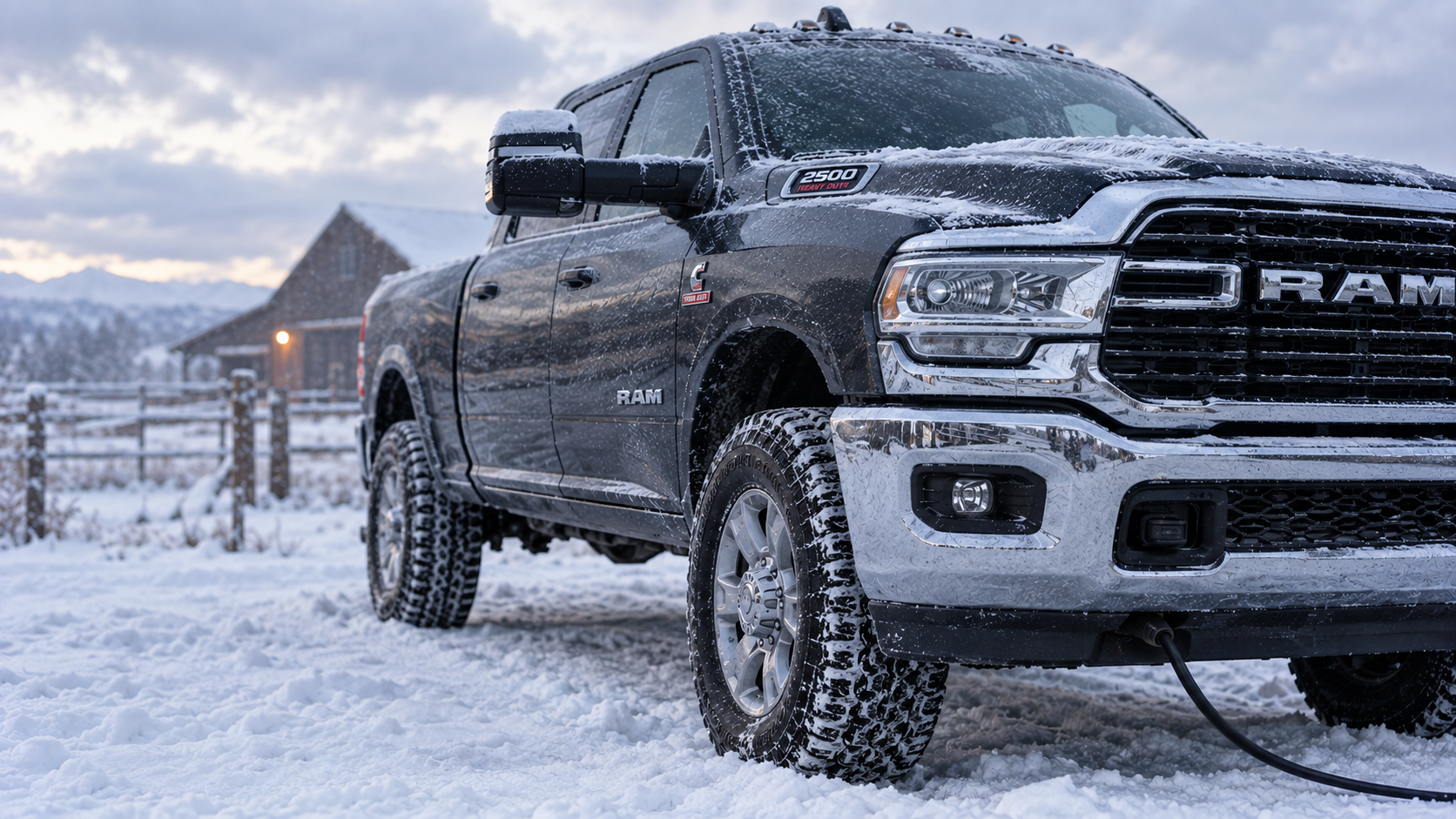

.fremont-powell-diesel-blog { font-family: inherit; color: #334155; } .fremont-powell-diesel-blog h2 { font-size: 32px; font-weight: 800; line-height: 1.25; color: #19325D; margin-top: 36px; margin-bottom: 16px; font-family: inherit; } .fremont-powell-diesel-blog h3 { font-size: 26px; font-weight: 800; line-height: 1.3; color: #0B1930; margin-top: 26px; margin-bottom: 12px; font-family: inherit; } .fremont-powell-diesel-blog h4 { font-size: 20px; font-weight: 700; line-height: 1.3; color: #212121; margin-top: 0; margin-bottom: 8px; font-family: inherit; } .fremont-powell-diesel-blog p { font-size: 18px; font-weight: 400; line-height: 28px; color: #334155; margin-bottom: 18px; font-family: inherit; } .fremont-powell-diesel-blog ul { margin-bottom: 22px; padding-left: 24px; } .fremont-powell-diesel-blog li { font-size: 18px; line-height: 28px; color: #334155; margin-bottom: 8px; font-family: inherit; } .fremont-powell-diesel-blog .tldr-box { background-color: #f8fafc; border: 1px solid #e2e8f0; border-radius: 8px; padding: 24px 26px; margin: 20px 0 32px 0; } .fremont-powell-diesel-blog .tldr-heading { font-size: 22px; font-weight: 800; line-height: 1.3; color: #0B1930; margin: 0 0 16px 0; font-family: inherit; } .fremont-powell-diesel-blog .tldr-grid { display: grid; grid-template-columns: repeat(auto-fit, minmax(260px, 1fr)); gap: 16px; } .fremont-powell-diesel-blog .tldr-card { background: #ffffff; border: 1px solid #e2e8f0; border-radius: 8px; padding: 16px 18px; } .fremont-powell-diesel-blog .tldr-card-title { font-size: 17px; font-weight: 700; line-height: 24px; color: #19325D; margin: 0 0 6px 0; font-family: inherit; } .fremont-powell-diesel-blog .tldr-card-desc { font-size: 16px; font-weight: 400; line-height: 24px; color: #475569; margin: 0; font-family: inherit; } .fremont-powell-diesel-blog .feature-grid { display: grid; grid-template-columns: repeat(auto-fit, minmax(280px, 1fr)); gap: 20px; margin: 24px 0 32px 0; } .fremont-powell-diesel-blog .feature-card { background: #ffffff; border: 1px solid #e2e8f0; border-radius: 8px; padding: 22px; } .fremont-powell-diesel-blog .highlight-callout { background-color: #f8fafc; border: 1px solid #e2e8f0; border-radius: 8px; padding: 22px 24px; margin: 24px 0; } .fremont-powell-diesel-blog .table-wrapper { overflow-x: auto; margin: 28px 0; border: 1px solid #e2e8f0; border-radius: 8px; } .fremont-powell-diesel-blog table { width: 100%; border-collapse: collapse; text-align: left; font-family: inherit; } .fremont-powell-diesel-blog th { background-color: #f8fafc; font-size: 17px; font-weight: 800; line-height: 1.3; color: #19325D; padding: 14px 18px; border-bottom: 2px solid #e2e8f0; } .fremont-powell-diesel-blog td { font-size: 16px; line-height: 24px; color: #334155; padding: 14px 18px; border-bottom: 1px solid #e2e8f0; } .fremont-powell-diesel-blog tr:nth-child(even) td { background-color: #f8fafc; } .fremont-powell-diesel-blog .expert-quote-card { background-color: #f8fafc; border: 1px solid #e2e8f0; border-radius: 8px; padding: 24px 26px; margin: 32px 0; } .fremont-powell-diesel-blog .expert-quote-title { font-size: 20px; font-weight: 800; color: #19325D; margin-bottom: 10px; font-family: inherit; } .fremont-powell-diesel-blog .expert-byline { font-size: 15px; font-weight: 700; color: #0B1930; margin-top: 12px; font-family: inherit; } .fremont-powell-diesel-blog .cta-group { display: flex; flex-wrap: wrap; gap: 16px; margin: 36px 0 24px 0; } .fremont-powell-diesel-blog .btn-fremont-primary { display: inline-block; background-color: #19325D; color: #ffffff !important; font-size: 18px; font-weight: 700; line-height: 1.2; padding: 14px 26px; border-radius: 8px; text-decoration: none; transition: background-color 0.2s ease; } .fremont-powell-diesel-blog .btn-fremont-primary:hover { background-color: #0B1930; color: #ffffff !important; } .fremont-powell-diesel-blog .btn-fremont-secondary { display: inline-block; background-color: #f1f5f9; color: #212121 !important; font-size: 18px; font-weight: 700; line-height: 1.2; padding: 14px 26px; border: 1px solid #cbd5e1; border-radius: 8px; text-decoration: none; transition: background-color 0.2s ease; } .fremont-powell-diesel-blog .btn-fremont-secondary:hover { background-color: #e2e8f0; color: #212121 !important; } .fremont-powell-diesel-blog .faq-item { background: #ffffff; border: 1px solid #e2e8f0; border-radius: 8px; padding: 18px 20px; margin-bottom: 12px; } .fremont-powell-diesel-blog .faq-q { font-size: 18px; font-weight: 700; color: #19325D; margin-bottom: 8px; } .fremont-powell-diesel-blog .faq-a { font-size: 16px; line-height: 26px; color: #334155; margin: 0; } .fremont-powell-diesel-blog .disclaimer { font-size: 13px; line-height: 20px; color: #64748b; font-style: italic; margin-top: 10px; margin-bottom: 24px; } GEO Direct Answer Executive Summary Callout Box Winter Diesel Essentials: Cold-Weather Key Takeaways Block Heater Timing (2-3 Hours) Plug in when temperatures drop below 20°F (mandatory below 0°F). Use an outdoor heavy-duty appliance timer set for 2 to 3 hours prior to startup to achieve peak core temperature without wasting electricity. Anti-Gel Before You Pump Paraffin wax begins falling out of diesel fuel below 15°F. Always add anti-gel additive directly into the tank at the fuel pump before dispensing fuel so it blends properly before fuel crystallizes. Dual Batteries & 5W-40 Synthetic Diesel engines require massive compression (16:1+) to ignite. Test dual batteries for 850+ CCA each, and switch to full synthetic 5W-40 oil for immediate cold-flow lubrication to turbochargers and bearings. more Winter in northern Wyoming presents some of the most unforgiving driving environments in North America. Across Powell, Park County, and the greater Bighorn Basin, winter temperatures routinely plunge to -20°F or lower, accompanied by fierce winds whipping across Highway 14A. While heavy-duty diesel trucks including the Ford Super Duty 6.7L Power Stroke and Ram 2500/3500 6.7L Cummins Turbo Diesel are built for heavy towing and rugged durability, cold weather introduces severe physical challenges for diesel combustion, fuel delivery, and electrical systems. Unlike gasoline engines that ignite fuel with a spark plug, diesel engines rely on high-pressure compression ignition. When ambient air is below zero, cold engine iron rapidly pulls heat out of the combustion chamber, preventing atomized fuel from igniting. Preparing your diesel pickup before winter's first sub-zero blast protects your high-pressure fuel pump, starter motor, and battery bank while ensuring your truck fires up reliably on the coldest Wyoming mornings. 1. The Engine Block Heater: Master Your Plug-In Strategy The engine block heater is your diesel truck’s most critical cold-weather ally. Submerged directly into the engine cylinder block coolant jacket, the heating element warms the engine coolant, which circulates through natural thermal convection to warm the cylinder walls, combustion chambers, and upper oil passages. When to Plug In: Temperature Rules Modern common-rail diesels with rapid-fire glow plugs or grid heaters will often start down to 15°F without being plugged in. However, once temperatures dip below 20°F, plugging in is strongly recommended to reduce cylinder wear. When overnight lows fall below 0°F, plugging in is mandatory to prevent extreme battery discharge and extended cranking. Timer Setup vs. All-Night Electricity Draw Most heavy-duty diesel block heaters draw between 1,000 and 1,500 Watts (roughly 8.5 to 12.5 Amps). Leaving your block heater plugged in all night (10 to 12 hours) consumes substantial electricity without added benefit. Thermodynamic tests demonstrate that an engine block reaches maximum heat soak within 2 to 3 hours. Use an outdoor-rated heavy-duty timer set to turn on 3 hours before your morning departure. Extension Cord Gauge & Fire Safety Never connect your 1,500W block heater to a light-duty household 16-gauge extension cord. Undersized cords experience heavy voltage drop, become dangerously hot, and can trigger fires or trip GFCI breakers. Always use a commercial-grade, outdoor-rated 12-gauge (12/3 SJTW) or 10-gauge extension cord rated for a minimum of 15 Amps. Pro Tip: Inspect Your Bumper Plug Before Freezing Weather The block heater electrical plug is positioned behind the front bumper or tow hook where it absorbs road spray, mud, and liquid magnesium chloride de-icer from Wyoming highways. Before winter arrives, inspect the male prongs for green corrosion, cracked insulation, or melting. Clean the contacts with electrical contact cleaner, apply a light coat of dielectric grease, and ensure the protective rubber cap remains snapped in place when driving. 2. Diesel Fuel Gelling, Winter Blends & Anti-Gel Additives Fuel gelling is the most common reason diesel trucks end up on the back of a flatbed during the first deep freeze. Standard Number 2 (#2) diesel fuel contains natural paraffin wax molecules that provide high energy density and lubricity. However, as ambient temperatures drop below 15°F (the Cloud Point), this paraffin wax crystallizes out of liquid solution into a cloudy haze. At roughly 0°F (the Cold Filter Plugging Point or CFPP), these wax crystals agglomerate into a thick, petroleum-jelly-like gel that instantly clogs the microscopic 2-to-4-micron pores of your fuel filters. Starved of fuel, the high-pressure fuel pump cavitates, and the engine immediately dies. Preventative Anti-Gel vs. Emergency De-Gellers The Golden Rule of Anti-Gel: Preventative anti-gel additives (such as Motorcraft PM-23-A, Stanadyne, or Howes) work by coating wax molecules and preventing crystal growth. Anti-gel must be poured directly into the tank at the fuel pump before dispensing warm fuel from the underground tank to ensure thorough mixing. Anti-gel cannot dissolve wax that has already crystallized in a frozen filter. Emergency De-Gellers (Emergency 911): Products formulated with high-alcohol compounds should only be used as a last resort on the side of the road. While they melt gelled wax to restore fuel flow, they strip lubricity from high-pressure fuel pumps and dry out internal O-ring seals. Winter-Blend Diesel: Northern Wyoming fuel stations blend kerosene (#1 Diesel) with #2 Diesel during mid-winter. However, early season autumn storms often hit before stations complete their winter transition. Always carry a bottle of quality preventative anti-gel in your truck toolbox. 3. Fuel-Water Separators: Drain Condensation Before It Freezes In Wyoming’s dry climate, rapid daily temperature swings, such as sunny 45°F afternoons followed by sub-zero nights, cause condensation to accumulate on the inner metal and polymer walls of fuel tanks. This condensation settles to the bottom of your fuel-water separator bowl. If not drained regularly, trapped water freezes solid at 32°F. Expanding ice can shatter the water separator housing or break off ice crystals that enter the high-pressure common-rail fuel pump. Because modern common-rail injection systems operate between 25,000 and 36,000 psi, even microscopic water droplets cause hydraulic erosion, rust, and catastrophic injector seizure. Drain Monthly in Fall, Weekly in Deep Winter: Turn the primary fuel-water separator drain petcock under the frame rail until water droplets clear and clean diesel fuel emerges into a clear inspection container. Replace Fuel Filters Before Winter: Install new primary and secondary OEM fuel filters every autumn. A partially clogged filter has reduced surface area and gels significantly faster than a clean filter. 4. Dual Batteries & Cold-Cranking Amps (CCA) Heavy-duty diesel engines utilize two high-capacity 12-volt batteries wired in parallel. Rotating an 8-cylinder or inline-6 diesel against a 16:1 to 18:1 compression ratio requires immense starter torque—especially when motor oil has thickened in sub-zero cold. Battery electrochemistry slows dramatically in cold weather. At 0°F, a standard lead-acid battery retains only 60% to 65% of its rated cranking amperage, while the frozen engine simultaneously demands nearly double the cranking effort to turn over. Dual Battery Load Testing Have both batteries tested under an active carbon-pile load test. A battery showing 12.6 volts with a voltmeter can still drop to 8 volts under high cranking amperage. Both batteries must deliver 850+ Cold Cranking Amps (CCA). The Matched Pair Rule Because diesel batteries operate in parallel, replacing only one aging battery causes the older, degraded battery to draw parasitic power from the new battery. When replacement is needed, always replace both batteries simultaneously with identical AGM or heavy-duty lead-acid units. Terminal Cleaning & Protection Corrosion on battery terminals adds electrical resistance, robbing glow plugs and starters of peak voltage. Remove cables, scrub terminals with a wire brush, and coat connections with anti-corrosion sealant. 5. Motor Oil: Switch to Full Synthetic 5W-40 Conventional 15W-40 diesel motor oil is excellent for summer towing across the Big Horn Mountains, but below 20°F, conventional base oils thicken into a slow-moving sludge. During a sub-zero cold start, thick 15W-40 can take 15 to 30 seconds to reach the upper valvetrain, hydraulic lifters, and turbocharger journal bearings, causing severe metal-on-metal friction. Switching to an API CK-4 certified full synthetic 5W-40 diesel motor oil ( Full Synthetic 5W-40 or Valvoline Premium Blue Extreme) delivers critical cold-weather protection. Full synthetic 5W-40 maintains fluid pourability down to -40°F, establishing immediate oil pressure within 2 to 3 seconds of ignition to protect expensive turbocharger bearings. 6. Winter Front Grille Covers & Thermal Efficiency Modern diesel engines operate with high thermal efficiency, producing relatively little waste heat when cruising without a heavy load or idling. In sub-zero Wyoming winds, cold air flowing through the massive front radiator can overcool the engine, preventing coolant from reaching its optimal 190°F to 210°F operating window. Overcooling leads to wet stacking, a condition where incomplete combustion allows unburnt diesel fuel to wash past piston rings into the oil pan, contaminating your motor oil. Furthermore, low exhaust gas temperatures prevent the Diesel Particulate Filter (DPF) from completing active regenerations, triggering exhaust soot clogs. Install OEM Vinyl Winter Fronts: Fit the heavy-duty winter grille cover that came with your Ford or Ram truck when sustained temperatures remain below 32°F. Adjust Flaps on Highway Drives: Open the center flap vents when hauling heavy trailers up mountain grades or when ambient temperatures rise above 40°F to prevent engine overheating. 7. Diesel Exhaust Fluid (DEF) Winter Considerations Diesel Exhaust Fluid (DEF) is a standardized solution composed of 32.5% high-purity urea and 67.5% deionized water. Because of its water content, DEF freezes solid at 12°F (-11°C). Diesel trucks are engineered with built-in electric heating elements inside the DEF tank and heated fluid delivery lines. The engine control module (ECM) is programmed to allow normal vehicle operation while the heating element thaws fluid in the tank. However, winter DEF care requires two crucial habits: Never Overfill the DEF Tank in Winter: Like pure water, DEF expands by approximately 7% upon freezing. Overfilling the neck to the brim can crack the plastic DEF reservoir or damage the internal heater sensor head. Stop pumping at the first automatic click. Store Spare DEF Jugs Indoors: Keeping a spare jug of DEF in an unheated truck bed causes it to freeze solid, rendering it unusable when your dashboard warning indicator illuminates. E-E-A-T Service Director Expert Advice Box Service Department Expert Advice: Northern Wyoming Winter Preparedness “Nine times out of ten, when a diesel truck is towed into our Powell service department during our first severe cold snap, it isn’t a mechanical engine failure. It’s gelled fuel from a truck that was filled with summer blend before a storm, or a pair of three-year-old batteries that read 12.5 volts on a multimeter but completely collapsed under an actual 500-amp starter load test. Plugging in your block heater on an appliance timer for three hours in the morning, keeping fresh fuel filters in place, and running synthetic 5W-40 oil prevents 95% of all winter no-starts.” — Service Manager, Fremont Motor Powell (26+ Years Automotive Diagnostics & Diesel Service) Winter Diesel Diagnostic & Maintenance Checklist Diesel System Cold-Weather Risk Preventative Action Recommended Frequency Engine Block Heater Hard starting, starter wear, cold-seizure Inspect bumper plug; connect to 12-gauge cord with 3-hr timer Every night below 20°F Fuel System & Filters Paraffin wax gelling at 0°F; fuel starvation Add preventative anti-gel before fueling; replace fuel filters Every fill-up below 20°F; filters every fall Fuel-Water Separator Frozen water ice crystals; CP4 pump failure Drain water separator into glass jar until clear diesel flows Weekly in freezing temperatures Dual 12V Batteries Voltage drop, slow cranking, grid heater failure Carbon-pile load test; clean terminals; replace in matched pairs Pre-winter inspection in October/November Engine Motor Oil Oil starvation at cold start; turbo bearing wear Upgrade to API CK-4 full synthetic 5W-40 diesel oil Every 5,000 to 7,500 miles (before winter) Winter Front Grille Overcooling, wet stacking, failed DPF regenerations Install OEM front vinyl grille cover; adjust center flaps Sustained temperatures below 32°F Diesel Exhaust Fluid Frozen fluid expansion cracking tank housing Do not overfill DEF tank; allow 10% headspace for expansion Winter fill-ups *Disclaimer: Fremont Care comes with eligible vehicle purchases, providing 2 oil changes and 2 tire rotations within the initial 12 months of ownership on qualifying/eligible vehicle purchases. Model-year and diesel engine volume exclusions apply. See dealer for full program terms and vehicle eligibility. Schedule Your Winter Diesel Inspection at Fremont Motor Powell Whether you rely on your diesel truck for agricultural work across the Bighorn Basin, commercial hauling on Highway 14A, or towing mountain trailers into Cody and Yellowstone country, reliable winter performance is non-negotiable. Our factory-certified diesel technicians at Fremont Motor Powell specialize in Ford Power Stroke and Ram Cummins Turbo Diesel platforms. From dual-battery load testing and fuel-water separator maintenance to synthetic oil changes and block heater diagnostics, our team ensures your truck is engineered to master northern Wyoming’s toughest winter conditions. Schedule Diesel Service Browse Diesel Trucks for Sale Call Powell Service: (307) 271-3044 Frequently Asked Questions How long should I leave my diesel block heater plugged in? Most OEM block heaters reach maximum engine temperature within 2 to 3 hours. Leaving your block heater plugged in all night wastes electricity without warming the engine any further. Use a heavy-duty 15-amp outdoor appliance timer set to turn on 2 to 3 hours before you plan to start your truck. Can I add anti-gel to my diesel tank after the fuel has already gelled? No. Standard preventative anti-gel additives must be added before fuel gels to modify wax crystal formation. If your fuel has already gelled and clogged your filters, you must either move the truck into a heated garage, replace the fuel filters, or use a specialized emergency de-gelling additive (such as Diesel 911) followed by filter replacement. Why does my diesel truck need two 12-volt batteries? Diesel engines operate with extreme compression ratios (16:1 to 18:1) and require immense starter power to turn over heavy internal components in cold weather. Additionally, pre-heating systems like glow plugs and Cummins intake grid heaters draw 100+ Amps before the starter even engages. Two batteries wired in parallel provide the necessary 1,700+ combined Cold Cranking Amps (CCA). Will frozen Diesel Exhaust Fluid (DEF) damage my truck? Modern diesel trucks feature built-in electric heating elements inside the DEF reservoir and lines, allowing the vehicle to run normally while the fluid thaws. However, DEF expands by roughly 7% when freezing. To prevent cracking the tank or internal sensor assembly, avoid topping off the DEF tank to the filler neck in winter. START: Multi-Entity JSON-LD Knowledge Graph Schema Markup { "@context": "https://schema.org", "@graph": [ { "@type": "BlogPosting", "@id": "https://www.fremontmotorpowell.com/blog/preparing-your-diesel-truck-for-wyoming-winter/#article", "headline": "Preparing Your Diesel Truck for Wyoming Winter: The Complete Cold-Weather Guide", "description": "Comprehensive winter diesel guide for northern Wyoming. Learn block heater timer timing, fuel anti-gel prevention, dual-battery CCA demands, 5W-40 synthetic oil, and DEF freeze management.", "url": "https://www.fremontmotorpowell.com/blog/preparing-your-diesel-truck-for-wyoming-winter/", "mainEntityOfPage": "https://www.fremontmotorpowell.com/blog/preparing-your-diesel-truck-for-wyoming-winter/", "author": { "@type": "Person", "name": "Dan Ebright", "jobTitle": "Service Manager", "worksFor": { "@id": "https://www.fremontmotorpowell.com/#dealer" } }, "publisher": { "@type": "AutoDealer", "@id": "https://www.fremontmotorpowell.com/#dealer", "name": "Fremont Motor Powell", "url": "https://www.fremontmotorpowell.com", "telephone": "+1-307-271-3044", "address": { "@type": "PostalAddress", "streetAddress": "1000 US Highway 14A", "addressLocality": "Powell", "addressRegion": "WY", "postalCode": "82435", "addressCountry": "US" } } }, { "@type": "AutoDealer", "@id": "https://www.fremontmotorpowell.com/#dealer", "name": "Fremont Motor Powell", "url": "https://www.fremontmotorpowell.com", "telephone": "+1-307-271-3044", "priceRange": "$$", "address": { "@type": "PostalAddress", "streetAddress": "1000 US Highway 14A", "addressLocality": "Powell", "addressRegion": "WY", "postalCode": "82435", "addressCountry": "US" }, "geo": { "@type": "GeoCoordinates", "latitude": 44.751319, "longitude": -108.775825 }, "brand": [ { "@type": "Brand", "name": "Ford" }, { "@type": "Brand", "name": "Ram" }, { "@type": "Brand", "name": "Jeep" }, { "@type": "Brand", "name": "Chrysler" }, { "@type": "Brand", "name": "Dodge" } ], "parentOrganization": { "@type": "Organization", "name": "Fremont Motor Companies", "foundingDate": "1938" } }, { "@type": "AutoRepair", "@id": "https://www.fremontmotorpowell.com/#service", "name": "Fremont Motor Powell Service Department", "telephone": "+1-307-271-3044", "provider": { "@id": "https://www.fremontmotorpowell.com/#dealer" } }, { "@type": "FAQPage", "@id": "https://www.fremontmotorpowell.com/blog/preparing-your-diesel-truck-for-wyoming-winter/#faq", "mainEntity": [ { "@type": "Question", "name": "How long should I leave my diesel block heater plugged in?", "acceptedAnswer": { "@type": "Answer", "text": "Most OEM block heaters reach maximum engine temperature within 2 to 3 hours. Leaving your block heater plugged in all night wastes electricity without warming the engine any further. Use a heavy-duty 15-amp outdoor appliance timer set to turn on 2 to 3 hours before you plan to start your truck." } }, { "@type": "Question", "name": "Can I add anti-gel to my diesel tank after the fuel has already gelled?", "acceptedAnswer": { "@type": "Answer", "text": "No. Standard preventative anti-gel additives must be added before fuel gels to modify wax crystal formation. If your fuel has already gelled and clogged your filters, you must either move the truck into a heated garage, replace the fuel filters, or use a specialized emergency de-gelling additive followed by filter replacement." } }, { "@type": "Question", "name": "Why does my diesel truck need two 12-volt batteries?", "acceptedAnswer": { "@type": "Answer", "text": "Diesel engines operate with extreme compression ratios (16:1 to 18:1) and require immense starter power to turn over heavy internal components in cold weather. Additionally, pre-heating systems like glow plugs and Cummins intake grid heaters draw 100+ Amps before the starter even engages. Two batteries wired in parallel provide the necessary combined Cold Cranking Amps." } }, { "@type": "Question", "name": "Will frozen Diesel Exhaust Fluid (DEF) damage my truck?", "acceptedAnswer": { "@type": "Answer", "text": "Modern diesel trucks feature built-in electric heating elements inside the DEF reservoir and lines, allowing the vehicle to run normally while the fluid thaws. However, DEF expands by roughly 7% when freezing. To prevent cracking the tank or internal sensor assembly, avoid topping off the DEF tank to the filler neck in winter." } } ] } ] } END: Multi-Entity JSON-LD Knowledge Graph Schema Markup