Keeping Your Heavy-Duty Diesel Dependable on Powell Roads
The high plains terrain of northwestern Wyoming puts heavy demands on diesel trucks. Powell sits on a relatively flat valley floor surrounded by rolling plains, where multi-generational ranching and farming operations require vehicles that can handle relentless daily workloads. Heavy-duty pickups are the backbone of daily life here, whether you are hauling heavy equipment across open pastures or pulling stock trailers to local markets. Keeping these rugged vehicles dependable requires specialized knowledge of high-altitude mechanics and severe-duty wear patterns.
Schedule Service Online Call Service Advisor
At an elevation of roughly 4,300 feet, the thinner air means your turbocharger must work harder to maintain proper boost levels and control exhaust gas temperatures. This increased workload makes regular diagnostic checks and proactive maintenance essential to avoid unexpected downtime during critical seasons. Our service team understands how these environmental factors impact your vehicle's performance over time.
Our team at Fremont Motor Powell is fully equipped to keep your workhorse running at its peak. If you need to bring your truck in for a diagnostic check, routine maintenance, or major repair, you can easily find us at our convenient location on Coulter Avenue. For quick questions about our diesel capabilities or to speak directly with a service advisor, give us a quick call today.
What Professional Diesel Maintenance Typically Includes for Local Trucks
How often does a working diesel truck actually need to visit the service bay? For most light-duty diesel trucks, standard operating guidelines recommend changing the engine oil and oil filter every 7,500 to 10,000 miles under normal driving conditions. However, frequent towing, heavy payloads, and extended idling in cold weather often require shortening this interval to protect critical internal components from premature wear.
A comprehensive diesel service involves much more than a standard oil change. Clean fuel is absolutely vital for high-pressure common-rail fuel systems, which is why replacing fuel filters every 15,000 to 20,000 miles is a critical line of defense against hard starting, power loss, and costly injector damage. Additionally, modern diesel engines utilize selective catalytic reduction systems that consume diesel exhaust fluid (DEF) at a rate of roughly 2% to 3% of your total fuel usage. Keeping this system serviced and the DEF tank filled prevents your truck from entering a de-rated power mode.
To keep your fuel and emissions systems clean and efficient, you can order OEM filters and fluids directly through our parts department. When it is time for your next mileage-based checkup, you can quickly schedule a service appointment online to secure a time that fits your busy schedule.

Why Specialized Engine Experience Matters for Cummins and Power Stroke Platforms
The layout under the hood of a heavy-duty truck dictates how easily a technician can perform routine maintenance and complex repairs. For example, the 6.7L Cummins Turbo Diesel features an inline-six configuration that naturally provides a more spacious engine bay layout. This design, with fewer moving parts than a traditional V8, often makes routine tasks like manifold inspections or component replacements more straightforward.
On the other hand, the 6.7L Power Stroke V8 Turbo Diesel is a powerhouse engineered for massive capability, delivering up to 500 hp and 1,200 lb-ft of torque in its high-output version. Because of its complex V8 architecture and tightly packed engine compartment, servicing this platform requires specialized tools and deep familiarity with its specific routing, turbocharger setup, and emissions equipment.
A shop experienced with your specific engine family knows the exact factory updates, common wear points, and diagnostic codes unique to that platform. This specialized knowledge prevents guesswork, saving you time and ensuring that repairs are done right the first time using precise calibration standards.
Preventing Fuel Gelling and Cold-Weather Hard Starts in Winters
When winter temperatures drop toward freezing, the paraffin wax naturally present in diesel fuel can begin to crystallize and clog your fuel filters. For drivers heading up toward the foothills of the Beartooth Mountains near Red Lodge, these freezing temperatures and sudden elevation changes make fuel gelling a very real threat. Using a high-quality, diesel-specific anti-gel additive containing pour point depressants and wax dispersants is the most effective way to keep your fuel flowing smoothly when temperatures approach 15°F or below.
Cold starts also place an immense strain on your vehicle's starting system. Glow plugs are essential for pre-heating the combustion chambers in cold weather, and a single failing plug or a weak relay can lead to extended cranking times or a complete no-start condition on freezing mornings.
Having your starting system and glow plugs inspected before the first major freeze is a smart preventative measure. Our technicians can test the electrical resistance of each glow plug to ensure your truck is fully prepared to handle the coldest mornings of the year without hesitation.

Common Questions About Local Diesel Maintenance and Troubleshooting
Q: What are the primary warning signs that my truck needs fuel injector service?
Common indicators include a rough idle, engine misfires, a noticeable drop in fuel economy, or excessive black or white smoke from the tailpipe. If you experience hard starting when the engine is warm, it could also point to leaking injectors that require professional calibration or replacement.
Q: Do local service centers perform Diesel Exhaust Fluid (DEF) system repairs?
Yes, certified technicians can diagnose and repair complex DEF and selective catalytic reduction systems. This includes replacing faulty DEF heaters, pumps, and injectors, as well as clearing diagnostic trouble codes that might otherwise trigger an engine de-rate.
Q: Can a general automotive shop handle heavy-duty commercial diesel chassis?
While some general shops can manage light maintenance, heavy-duty commercial rigs require specialized heavy-duty lifts, advanced commercial diagnostic software, and technicians trained in medium-duty and heavy-duty truck platforms. We maintain the specialized equipment necessary to service these larger work vehicles safely and efficiently.
Q: Why does high-altitude driving affect diesel engine performance?
Thinner air at higher elevations reduces the oxygen density available for combustion, which can cause the engine to run rich and increase exhaust gas temperatures. Properly functioning turbochargers and clean charge-air coolers are vital to compressing enough air to maintain power and efficiency in these elevated environments.
Q: How does towing heavy loads affect my diesel maintenance schedule?
Frequent towing increases thermal stress on your engine and transmission, which breaks down fluids much faster. Under these severe operating conditions, you should inspect your fluids more frequently and consider shortening your oil and transmission fluid change intervals to prevent premature wear.
Trust Our Certified Technicians for Reliable Diesel Care
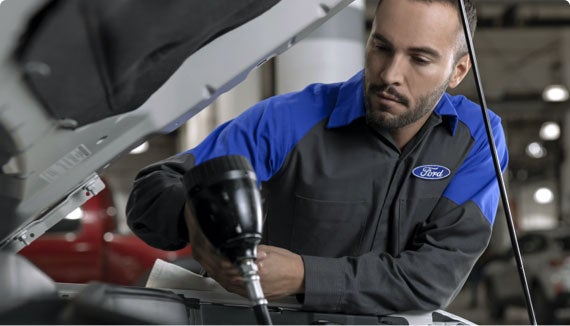
Keeping your diesel truck in peak operating condition requires a team that understands the unique demands of heavy-duty work and local driving conditions. Our factory-certified technicians have the specialized training, diagnostic tools, and OEM parts needed to handle everything from routine filter changes to complex emissions system repairs.
To give you extra peace of mind on the road, many of our services and vehicles are backed by our comprehensive Fremont Care plan, which provides structured maintenance support to keep your vehicle dependable. If you are considering upgrading your current setup, you can schedule a test drive in a new vehicle to experience the latest heavy-duty towing technology, or schedule a test drive in a used vehicle to find a rugged, field-tested truck that fits your needs.
We invite you to visit us and experience our straightforward, honest approach to vehicle care. Stop by our Coulter Avenue service center today, or give our team a quick call to discuss your truck's maintenance needs and keep your vehicle working as hard as you do.